Why Diversification and Agility Are Now Non-Negotiable
Six years after the global pandemic reshaped the business landscape, the world has moved on—but the lessons remain. Today’s most resilient companies aren’t just survivors. They’re builders, reconfigurers, and quiet disruptors. They’ve shifted from reactive adaptation to proactive reinvention, and the playbook has changed.
The new imperative? Business model innovation—not as a buzzword, but as a survival instinct.
From Shock to Strategy
The pandemic exposed strategic fragilities across industries. But it also accelerated trends that were already underway: digital transformation, customer-centricity, and the rise of agile ecosystems. Companies that leaned into these shifts didn’t just recover—they redefined their categories.
In a recent survey of European executives, over 75% cited business model innovation as their most effective lever during the crisis. More importantly, 60% expect those innovations to persist and evolve. That’s not a temporary pivot. That’s a permanent upgrade.
The New Resilience Equation
Resilience used to mean cost-cutting and capital preservation. Today, it means optionality—the ability to pivot, diversify, and scale across unpredictable terrain. It’s not about surviving the next shock. It’s about thriving in a state of continuous disruption.
Here’s what the new resilience looks like:
- Diversified revenue streams that hedge against market volatility
- Digital-first operations that scale without proportional cost
- Customer-centric models that adapt to shifting expectations
- Sustainable practices that align with regulatory and consumer demands
- Agile teams and systems that can reconfigure in real time
Four Innovation Pathways That Matter Now
Across industries, four business model archetypes are emerging as resilience engines. They’re not theoretical—they’re already driving growth.
- Counter-Cyclical Builders
These businesses thrive in downturns by serving inelastic demand. Think services that supplement big-ticket items, or products that become “affordable luxuries” during economic strain. The lipstick index isn’t just folklore—it’s a signal. Companies that find these pockets of demand and build around them are better insulated from macro shocks.
- Resource-Light Platforms
When capital is tight, scalability without asset intensity becomes a superpower. Marketplace models, service aggregators, and connector platforms are rising fast. They don’t own the product—they own the relationship. And that’s where the value is.
- Supply Chain Resilients
Circular models, local sourcing, and data-driven yield optimization are no longer fringe strategies. They’re core to resilience. Businesses that reduce exposure to global logistics and reclaim control over inputs are outperforming their peers. It’s not just about sustainability—it’s about survivability.
- Adjacent Value Pool Explorers
Smart companies are moving into adjacent markets where their core strengths still apply. Whether it’s a media company entering real estate tech, or a materials firm launching D2C brands, adjacency plays are delivering outsized returns. The key is not just proximity—it’s strategic fit.
Technology as the Backbone
AI, cloud computing, and data analytics aren’t just tools—they’re the infrastructure of modern business models. Companies that integrate these technologies into their core operations are seeing:
- Lower operational costs
- Faster decision cycles
- Personalized customer experiences
- Real-time adaptability
From predictive analytics to autonomous systems, the tech stack is now a strategic asset. The winners aren’t just digitizing—they’re architecting their businesses around data.
The Customer Is Still King—But Smarter
Post-pandemic consumers are more discerning, more digital, and more demanding. They expect seamless experiences, ethical practices, and personalized engagement. Businesses that treat customer experience as a strategic differentiator—not just a service function—are winning loyalty and lifetime value.
Omnichannel isn’t optional. Mobile-first isn’t a trend. And personalization isn’t a nice-to-have. It’s the new baseline.
Sustainability Is Strategy
Environmental, social, and governance (ESG) practices have moved from the CSR department to the boardroom. Companies that embed sustainability into their business models are seeing:
- Stronger brand equity
- Regulatory advantages
- Cost savings through efficiency
- Deeper customer trust
Circular supply chains, ethical sourcing, and carbon-conscious operations aren’t just good PR—they’re good business.
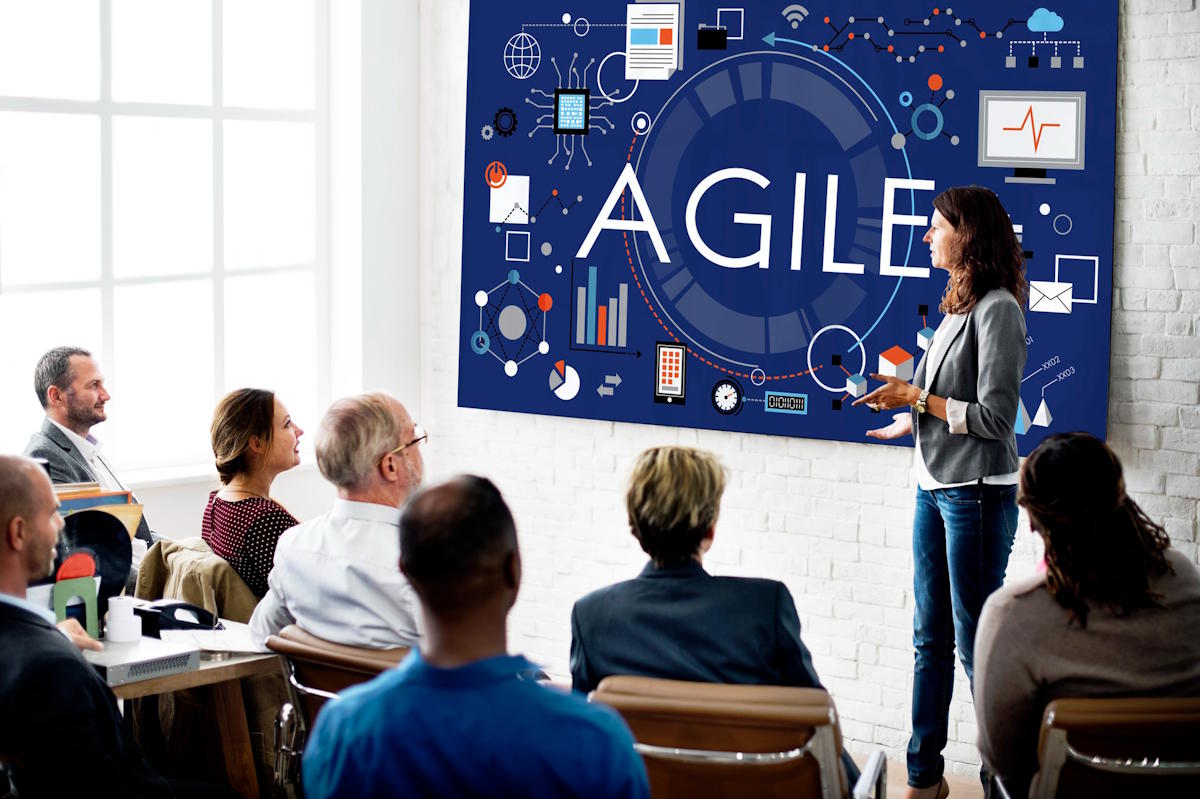
Agility Is the Culture
Resilient companies don’t just have agile systems—they have agile mindsets. They empower teams to make decisions, experiment, and iterate. They flatten hierarchies, digitize workflows, and prioritize speed over perfection.
This cultural shift is what allows innovation to scale. Without it, even the best strategies stall.
What This Means for Public Companies
For publicly listed firms, the stakes are higher. Investors are watching not just earnings, but adaptability. Analysts are tracking not just growth, but innovation. And boards are demanding not just stability, but strategic evolution.
Business model innovation isn’t just a lever—it’s a litmus test. It signals whether a company is future-ready or falling behind.
Final Thought: Build Boldly
The post-pandemic world isn’t a return to normal—it’s a leap into a new paradigm. Companies that build boldly, diversify intelligently, and innovate relentlessly will define the next era of business.
This isn’t about reacting to crisis. It’s about architecting resilience. And the blueprint is already here.